
“They were beating the young child like he was a mature man, pow pow pow, it was terrible!”
“The teacher spoke so rudely to the children, calling them stupid, saying they were acting like babies, that they were old enough for the next class but not smart enough. It was not good how the teacher was speaking.”
“I was moving around helping the children to write and the teacher told me to sit down. She said I would get tired. I told her that that was my job and continued moving around.”
“I lined the children up to walk them over to wash their hands, the teacher said to me, why am I doing that? The children know where to wash their hands, why walk in a line?”
Some of the statements above are quite outrageous and may even make you shudder. But you can’t understand how happy and encouraged I was to hear each of them this morning! All of these statements came from our first year student teachers from our new nursery teacher training college.
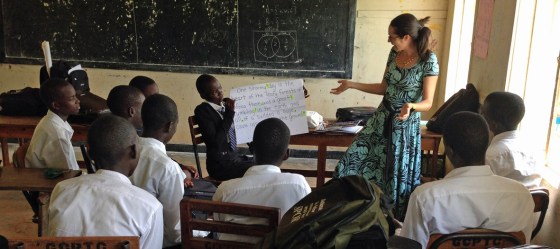
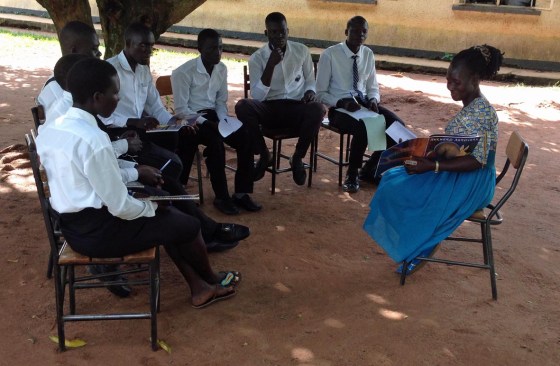
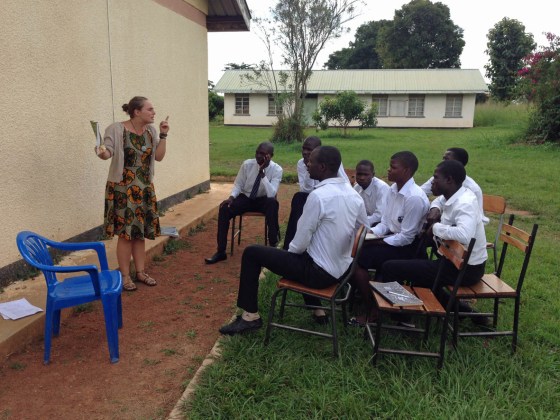
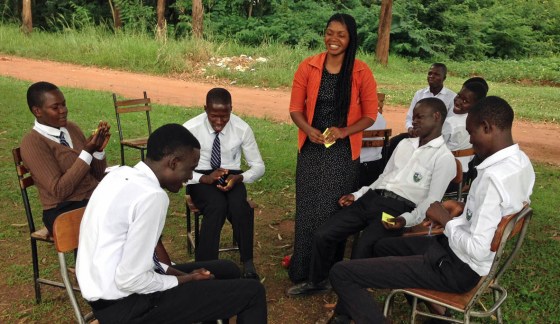
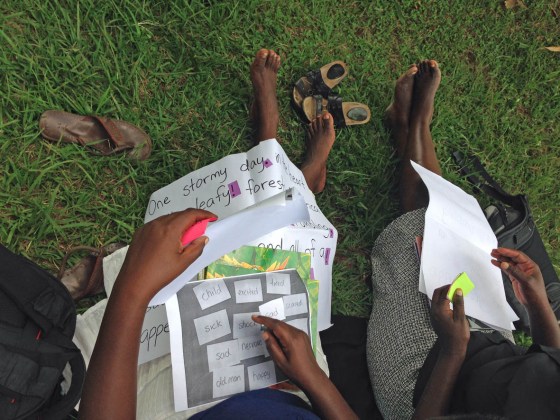
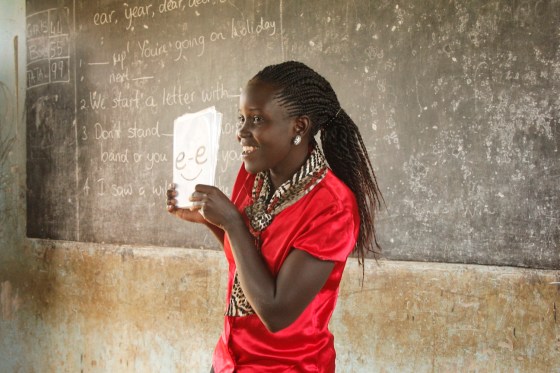
This week was the students’ first week on school placement, it’s called their Child Study Placement and they do a lot of observing of the classroom environment and a little teaching. This morning the students were buzzing with excitement when we started lessons, we started off by sharing their experiences of what they enjoyed about the week and what they found a bit challenging about their school placements. The comments above came from our students’ sharing about their challenges.
This is sort of another ‘you have to see it to believe the importance of it’ story. If you have been into Ugandan classrooms, or read a lot of what we or others have posted about education here, then you might understand a little about school discipline, teacher attitude and motivation. The incredible thing is that these students are now being reflective (after only half a year), not only about their own teaching but about what they are seeing.
I also recall back to orientation when it was difficult to get two words out of our students (or even hear what they said); now I had to say to them: ‘ok, summarise, and don’t take too long to share’ – I couldn’t keep them quiet as they paced out the front of the classroom re-enacting what they had seen in their classrooms.
Some weeks I question if I have bitten off too much to chew with the new nursery teacher’s training college, especially when it’s 10pm at night and I’m cutting up shapes or drawing a drum inside a letter ‘d’ for learning aids for lessons the next day. But after mornings like today, it is affirming, this is the right thing to do. We may not see the full fruition of our labour, but future children will. Pray for our students as we train them to take on ‘counter cultural’ practises and to be creative, inspiring, well-educated, respectful, reflective educators.
You might ask what was their biggest highlight? They love their new uniforms and they got many great comments about them. We’ll have to post some photos of them in their uniforms in the future…


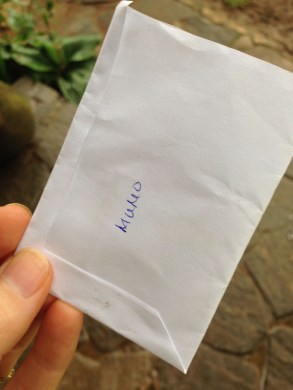 This afternoon I popped into a local printing shop to pick up some passport photos Dan had ordered. I walked in and asked: ‘do you have any photos for Daniel?’ The lady returned with a small white packet with the word ‘muno’ on it. I pointed at the word and laughed, in this area muno is the local word for ‘white person’. The lady joined in with my laughter. Then I asked her: ‘Is he the only one of these in here?’ I think she nodded, couldn’t quite tell, too much laughter.
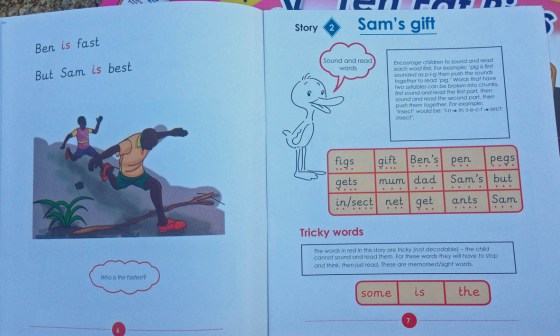
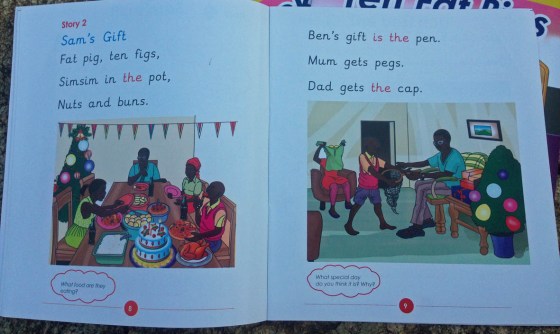
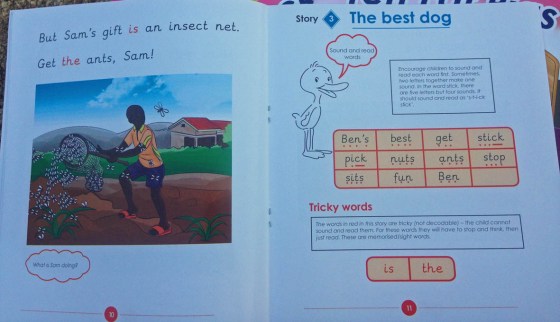
 Our work with READ for Life focuses mostly on one single challenge: the quality of teaching reading and writing. To help understand the context of where this fits into the bigger picture, here’s a list of many educational challenges in a recent USAID report looking at low-income countries in general, but it could easily be words painted about the Ugandan education system:









 Dan and Jodes... in Gulu, Uganda